The Breakthrough Power of Regenerative Biologics in Healing
In this episode of the Medical Sales Podcast, Samuel sits down with regional director Rashago Kemp to explore the world of biologics and regenerative wound care, revealing how amniotic tissue is transforming outcomes for diabetic foot ulcers, venous leg ulcers, pressure injuries, and complex wounds that traditional care can’t heal. Rashago breaks down the science behind why this tissue works, why amputations are rising in the U.S., and how patient compliance can make or break recovery. He shares powerful real-world cases, including a patient who healed after living with a wound for 20 years, and explains what it takes to succeed in this relationship-driven specialty. From managing more than 60 independent reps to navigating the differences between W2 and 1099 structures, Rashago delivers a rare inside look at sales, leadership, and patient impact in one of the most meaningful corners of medical technology.
Connect with Rashago Kemp: LinkedIn
Connect with Me: LinkedIn
Love the show? Subscribe, rate, review, and share! Here’s How »
Listen on Spotify or Apple Podcast
Transcription:
00:05 – Samuel Adeyinka (Host)
Hello and welcome to the Medical Sales Podcast. I’m your host, Samuel, founder of the Medical Sales Career Builder. In this podcast, I interview top medical sales reps and leading medical sales executives across the world. No matter the industry medical device, pharma, diagnostics, genetic testing you will learn how to break into the field, become a top 10% performer, and climb the corporate ladder.
Today we’re diving into one of the most unique and impactful areas of medical sales. Rashago, go ahead and tell everybody who you are and what you do.
00:48 – Rashago Kemp (Guest)
Yeah, yeah. My name’s Rashago Reed Kemp. I am a Regional Director in the biologics medical space. As a regional director, I work with W2 and independent reps across my territory to build the company’s portfolio. I currently cover about a third of the United States the Midwest, parts of the West, and the South. Historically I covered the Northwest.
The space I’m in is wound care, specifically biologics. We use human amniotic tissue to heal hard-to-heal wounds in private offices, hospitals, and even ORs.
01:44 – Samuel Adeyinka (Host)
Okay, so we’ve got to break that down. People listening right now heard “amniotic tissue” and they’re like… what? What exactly are we talking about? What’s the science behind it? Who are the patients? Who are the doctors using it?
01:58 – Rashago Kemp (Guest)
Amniotic tissue is incredible because it comes from Mother Nature. I tell my doctors, “We’re using Mother Nature to heal Mother Nature.”
We’re treating patients who are diabetic, elderly, malnourished, cancer patients undergoing radiation their immune systems just don’t work the same as a healthy person’s. When a healthy body gets a wound, it heals. These patients simply don’t heal.
And that’s where amniotic tissue comes in. It’s sourced from healthy C-sections, never from abortions. What makes it special is that it’s antigen-neutral the body doesn’t reject it. It has growth factors and components that help re-activate the immune system.
Doctors clean the wound, place the amniotic graft, it dissolves in 3–5 days, and releases growth factors that “turn on” the patient’s healing response.
03:45 – Samuel Adeyinka (Host)
And when these wounds don’t heal, what’s the most common situation you see? What are the big categories?
03:54 – Rashago Kemp (Guest)
The most common are:
-
Diabetic Foot Ulcers – because diabetics often have poor sugar control and neuropathy. One in five diabetics will develop a foot ulcer.
-
Venous Leg Ulcers – shallow but extremely chronic wounds, often lasting years.
-
Pressure Ulcers – patients who are paraplegic or bedbound; constant pressure kills tissue.
When these wounds stay open, they’re portals for infection. That’s what leads to amputations. And amputations have a shocking correlation: even minor amputations carry a 46% five-year mortality rate. Not because of the amputation itself, but because of the lifestyle decline that follows less movement, more depression, worse diet, and worsening diabetes.
07:20 – Samuel Adeyinka (Host)
So amputations are becoming more common?
07:24 – Rashago Kemp (Guest)
Unfortunately, yes. Even with more information, modern lifestyles work against people. Sedentary jobs, convenience foods, lack of physical activity… it creeps up on people. Many diabetics didn’t see it coming. I’ve had family members diagnosed in their early 40s. It just happens gradually.
08:32 – Samuel Adeyinka (Host)
Let’s go back to your solution. How long does it take to heal these wounds with amniotic tissue?
08:38 – Rashago Kemp (Guest)
It depends on the wound size, but typically 5–10 weekly applications. Larger wounds take more time.
Most patients become more compliant because they finally see hope. Sometimes they’ve lived with a wound for months, years even decades. One of my most memorable patients had a venous leg ulcer for 20 years. After trying everything, they applied our product. In six months, he healed.
10:12 – Samuel Adeyinka (Host)
That’s incredible. What was he like once he healed?
10:16 – Rashago Kemp (Guest)
He was emotional. People don’t realize how much life they lose with an open wound. They can’t shower normally. They can’t swim. They can’t do simple daily things. Healing gave him his life back. That’s why this work matters.
11:05 – Samuel Adeyinka (Host)
You’re a Regional Director. How is your team structured?
11:10 – Rashago Kemp (Guest)
I support about 60 independent agents and distributors across the country. I train them, coach them, and support their accounts. We have multiple distributors, each with their own reps. I teach them the clinical science, the pitch, and how to troubleshoot.
In my previous role, I managed mostly W2 reps. Very different worlds: W2 has full training and structure; 1099 relies heavily on relationships and portfolio management.
13:22 – Samuel Adeyinka (Host)
And do these independent reps come to you, or do you recruit them?
13:26 – Rashago Kemp (Guest)
Both. Many distributors with podiatry or wound care relationships want to diversify their portfolio. Others we approach because their call points align with our products. We train their teams and become their clinical and business support.
15:04 – Samuel Adeyinka (Host)
Take us into a moment when you realized, “Wow… this is why I do this.”
15:10 – Rashago Kemp (Guest)
My second year. My first year was tough didn’t sell much. But by year two, the relationships clicked. I supported a large wound care clinic weekly, and they trusted me enough to use the product consistently.
Seeing patients heal, seeing doctors treat me like part of the team, and watching my business grow… it was the trifecta: patient impact, deep relationships, and financial success.
17:12 – Samuel Adeyinka (Host)
Any extreme or unforgettable patient stories?
17:17 – Rashago Kemp (Guest)
The 20-year ulcer patient is one. But another powerful thing is seeing how healing restores dignity. Patients get excited because they can finally shower normally or go to the beach. We take those things for granted. They don’t.
19:00 – Samuel Adeyinka (Host)
What’s the hardest part of being a sales rep in this space?
19:04 – Rashago Kemp (Guest)
Balancing where to spend your time. There’s fear, pressure, and uncertainty early in a rep’s career. That’s why discipline matters.
19:24 – Samuel Adeyinka (Host)
You manage a large team. What’s the hardest part of being a sales leader?
19:28 – Rashago Kemp (Guest)
Hiring and developing people. Many managers hire people who are less capable because it feeds their ego. I hire people better than me. My job is to make them the heroes and remove barriers for them.
20:25 – Samuel Adeyinka (Host)
And what about mindset? Reps spend a lot of time alone. How do they battle negative thoughts?
20:32 – Rashago Kemp (Guest)
Two things:
-
Mentors – People ahead of you can accelerate your growth.
-
Identity – Don’t tie your worth to your quota or your title. When reps stop chasing validation and start operating from confidence, they sell more authentically.
21:38 – Samuel Adeyinka (Host)
Powerful. Any final thoughts for our audience?
21:43 – Rashago Kemp (Guest)
Be excellent. Build relationships. And remember your work truly changes lives.












 Medical Territory Manager!
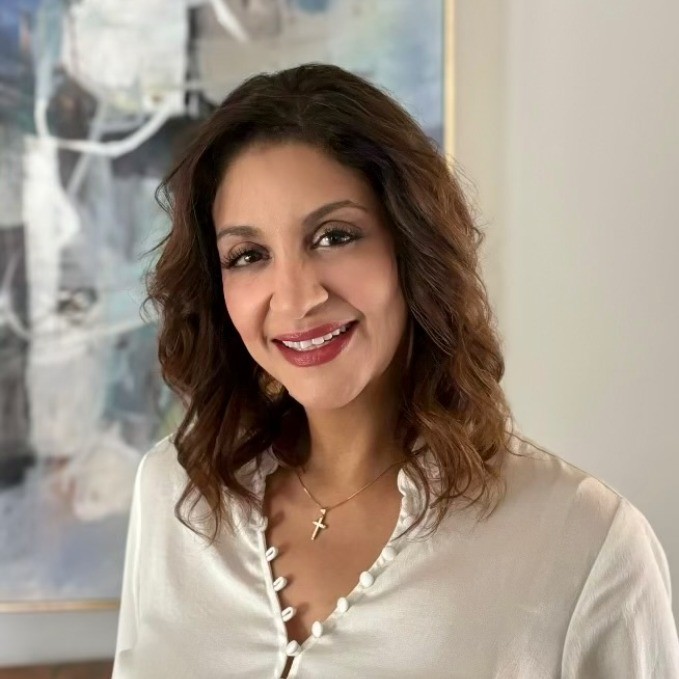
I was a Regional Sales Representative for Long-Term Care pharmacy services. I had dreamed of getting into the med sales industry when I went into my career as a nurse, but the pharmacy sales job came to me, and I had just settled. Fortunately, I had a job shakeup that allowed me to determine that now was the time to pursue my original vision.
I absolutely would not have this position without Samuel and the Evolve Your Success community. A lot of people my age would just stop trying, but EYS believed in me.
EYS allowed me to break into the industry in 90-Days after I had been trying on my own for over two years! I had lots of recruiter screenings, and a few interviews with hiring managers, but I was never offered a position.
Before EYS, I didn’t realize I was doing the bare minimum to get hired. I was applying everywhere, hoping to get noticed and waiting. It just wasn’t working! I didn’t know that that was not enough to compete in an industry this sought after, and against people who knew what I didn’t know about the process.
Of course, I had to think hard before making a financial investment that’s reasonably substantial. But when I read the testimonials of real med sales reps on the site and learned that I wasn’t the only one taking a chance on my success, that EYS was sharing that risk also, I knew I had to do it. Though you might be able to cobble together some of the steps of getting a role in med sales from online research on your own, you just can’t know what you don’t know!
The process of going through EYS presents this insider knowledge to the student, as well as giving you a progression of difficulty as you obtain the information, and you begin to master it. Not only that, but they give you access to amazing mentors and instructors, allow you to practice your interview skills, and teach you how to market yourself through social media and your own website! I cannot stress enough that EYS was the factor that made the difference in my successfully landing my dream job! The support, structure, and knowledge gained was invaluable!
I would recommend this course to ANYONE looking to break into medical sales
Thank you so much, EYS! This journey has been life changing and has resulted in the successful culmination of my 18-Year ambition!
Medical Territory Manager!
I was a Regional Sales Representative for Long-Term Care pharmacy services. I had dreamed of getting into the med sales industry when I went into my career as a nurse, but the pharmacy sales job came to me, and I had just settled. Fortunately, I had a job shakeup that allowed me to determine that now was the time to pursue my original vision.
I absolutely would not have this position without Samuel and the Evolve Your Success community. A lot of people my age would just stop trying, but EYS believed in me.
EYS allowed me to break into the industry in 90-Days after I had been trying on my own for over two years! I had lots of recruiter screenings, and a few interviews with hiring managers, but I was never offered a position.
Before EYS, I didn’t realize I was doing the bare minimum to get hired. I was applying everywhere, hoping to get noticed and waiting. It just wasn’t working! I didn’t know that that was not enough to compete in an industry this sought after, and against people who knew what I didn’t know about the process.
Of course, I had to think hard before making a financial investment that’s reasonably substantial. But when I read the testimonials of real med sales reps on the site and learned that I wasn’t the only one taking a chance on my success, that EYS was sharing that risk also, I knew I had to do it. Though you might be able to cobble together some of the steps of getting a role in med sales from online research on your own, you just can’t know what you don’t know!
The process of going through EYS presents this insider knowledge to the student, as well as giving you a progression of difficulty as you obtain the information, and you begin to master it. Not only that, but they give you access to amazing mentors and instructors, allow you to practice your interview skills, and teach you how to market yourself through social media and your own website! I cannot stress enough that EYS was the factor that made the difference in my successfully landing my dream job! The support, structure, and knowledge gained was invaluable!
I would recommend this course to ANYONE looking to break into medical sales
Thank you so much, EYS! This journey has been life changing and has resulted in the successful culmination of my 18-Year ambition! 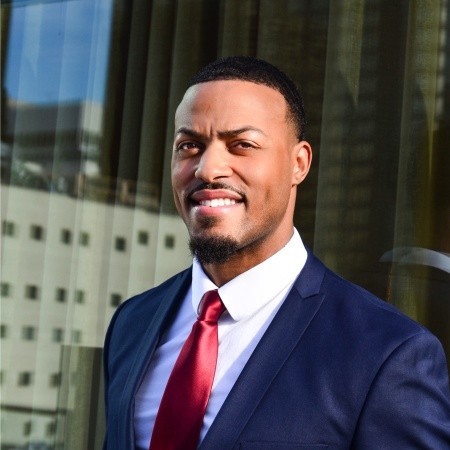
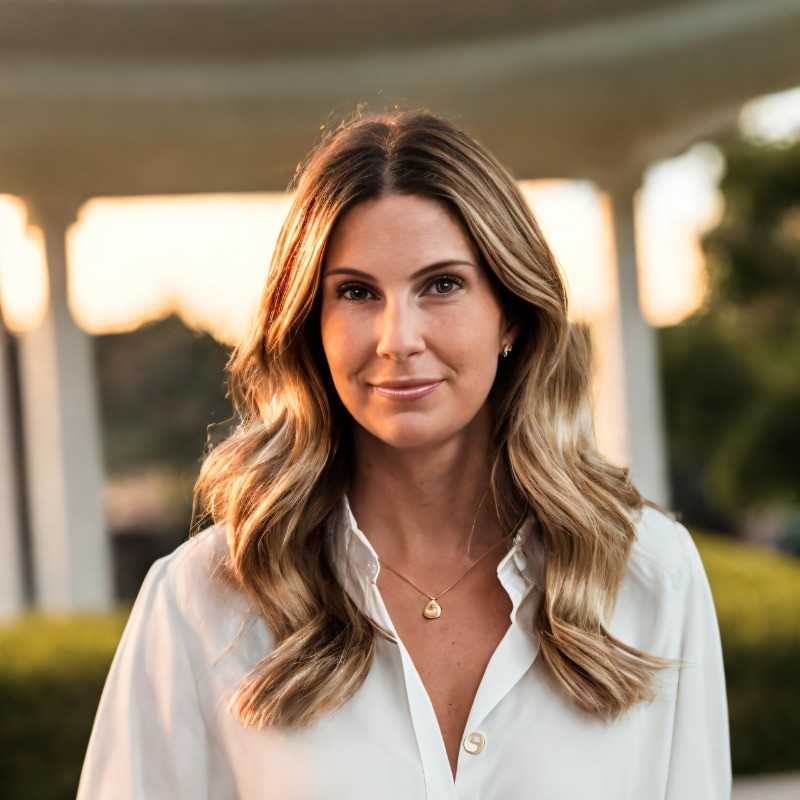
 Sports Medicine in Phoenix! I extend so much gratitude to the Evolve Your Success group as I land this role and get ready to pursue my dream job. I am a Physical Therapist who became a little stuck in the profession due to issues with reimbursement and the difficulty for continued growth upwards. I turned to EYS to assist me in learning about the medical sales industry and gain knowledgable mentors who were able to help coach me in this process. I am a strong believer in surrounding yourself with the best and good things will happen. I did work hard, but with the support of my mentors and other colleagues going through a career change, I felt a sense of community and it confirmed my drive to get into this industry. I have already learned so much through the interview process, and feel very blessed to have had the resources this group provided. I have made lifelong friends and I cannot wait to continue to follow others’ journeys to pursue this incredible field. I urge you to give Evolve Your Success a try to gain mentorship, guidance, and support through any career transition.
 and am excited to make a difference in patients’ lives as a Pharmaceutical Sales Specialist.
 ! Though I truly enjoyed working as a physical therapist, I can’t wait to start my career in the sales world as a Clinical Account Executive.
 . I owe this opportunity to Samuel, the program, and the incredible mentors at EYS.