How He Went From Sales Rep To Successful Leader
In Part 2 of this Medical Sales Podcast conversation, Samuel continues the deep dive with Rashago Kemp, a regional director in the biologics and wound care space, breaking down the real differences between W2 and 1099 medical sales. Rashago shares how he manages independent reps, why leverage and motivation work differently outside of W2 roles, and what separates average reps from elite performers in the 1099 world. They unpack earning potential, commission structures, distributor models, and how top reps scale into multimillion-dollar businesses. The conversation also explores leadership, reputation, long-term relationship building, work ethic, family responsibility, and the nonnegotiable habits required to win consistently in medical sales. This episode is a must-listen for reps deciding between W2 and 1099 paths and anyone serious about building a high-impact, high-income career in medical sales.
Connect with Rashago Kemp: LinkedIn
Connect with Me: LinkedIn
Love the show? Subscribe, rate, review, and share! Here’s How »
Listen on Spotify or Apple Podcast
Transcription:
Samuel Adeyinka (Host):
Hello, and welcome to the Medical Sales Podcast. I’m your host, Samuel Adeyinka, founder of a revolutionary medical sales training and mentorship program called the Medical Sales Career Builder, and host of the Medical Sales Podcast.
On this podcast, I interview top medical sales reps and leading medical sales executives from around the world. No matter the medical sales industry—medical device, pharmaceutical, genetic testing, diagnostic lab—you’ll learn how to break into the industry, become a top 10 percent performer, or climb the corporate ladder.
Welcome to the Medical Sales Podcast. Remember, I’m a medical sales expert sharing my own perspective on this amazing industry and how it can change your life.
So talk to us about the difference. In your W2 role, you were selecting the right talent, building a team, motivating people based on their personalities. Is it the same in the 1099 world, or is it a completely different beast?
Rashago Kemp (Guest):
1099 is definitely different. In many cases, I’m not the only product my reps are selling. With W2, that’s the only product—you have shared focus.
With 1099 reps, your leverage is lower. You need to be the appealing choice. You still need strong relationships, but the dynamic is different. Losing a W2 role is far more devastating than losing a 1099 option.
With W2s, hiring is very targeted, and even if you make a bad hire, you’re often stuck with them for a year. In the 1099 world, you cast a wider net and focus on higher-yield performers.
That doesn’t mean we take anyone. We turn people away if they don’t have relevant experience. We’re not in a position to train someone from zero. As a 1099 rep, if you don’t already have provider relationships, success is unlikely—especially since you’re only paid when you sell.
Samuel Adeyinka (Host):
So engagement isn’t really the issue then. High performers stay engaged, and low performers fall off naturally.
Rashago Kemp (Guest):
Exactly. I focus my energy on people who focus their energy on me. My top reps are constantly engaged, and I’m constantly engaged with them.
Trying to turn a low performer into a high performer is usually a waste of time. Out of about 60 reps, I consistently work closely with maybe 15 to 20. Others go hot and cold depending on what’s happening in their other business lines.
Samuel Adeyinka (Host):
Do you have to reel them back in, or do they come back on their own?
Rashago Kemp (Guest):
It’s a combination. Sometimes they miss those checks. We introduce new products, spark interest, and they come back ready to engage again.
Samuel Adeyinka (Host):
Would you say it’s more fun managing this way?
Rashago Kemp (Guest):
It’s equally fun—just different. When I was promoted to regional director on a W2 team I already knew, those relationships were very deep. You grow together, and that’s rewarding.
With 1099s, relationships vary in depth, but it’s still enjoyable. Just different dynamics.
Samuel Adeyinka (Host):
Let’s talk about skill development. In W2 roles, companies train reps—sometimes they even have to untrain bad habits. In 1099, reps pay for training themselves. Do you see a difference?
Rashago Kemp (Guest):
Absolutely. The more skin someone has in the game, the more engaged they are.
For reps who show dedication, I create customized training myself. I’ve trained throughout my career and enjoy it. If someone is putting in the work, I’ll continue investing in them.
Samuel Adeyinka (Host):
Let’s talk money. W2 roles offer base plus commission. But 1099s can be extremely lucrative. Can you share examples?
Rashago Kemp (Guest):
If you’re a superstar, you’ll always make more as a 1099. Always.
In my last W2 role, base salaries ranged from $90K to $110K, with 10 percent commission. Top reps earned $30K to $50K per month in commission.
In the 1099 world, my top rep recently earned over $500K in a single pay period of just over two weeks.
In wound care, if you know how to deliver value, the earning potential is massive. We start promising distributors at 25 percent commission, and it can go much higher.
Samuel Adeyinka (Host):
Do reps ever scale into owning distributorships?
Rashago Kemp (Guest):
All the time. My top distributor operates nationwide and has multiple distributorships. He’s making multiple millions annually after expenses. He makes more than anyone employed by our company.
Samuel Adeyinka (Host):
That’s powerful because people listening want that blueprint.
Rashago Kemp (Guest):
It’s not easy to get in, but if you know the blueprint, you can absolutely do it.
Samuel Adeyinka (Host):
Why did you move from sales into leadership?
Rashago Kemp (Guest):
Two reasons. First, the income roller coaster gets exhausting over time. Second, I wanted a new challenge.
Superstar sales skills don’t always translate to leadership. Many great reps make terrible managers. Leadership requires humility, giving credit, and letting your team succeed without you.
Samuel Adeyinka (Host):
Let’s close strong. Give us three things every killer rep must do daily.
Rashago Kemp (Guest):
First, always do what’s right for your client. You’re building your personal brand. Trust compounds over time.
Second, have big goals and take massive action. Don’t aim to hit quota—blow it away.
Third, be willing to pay the price. Put in the hours. Master your craft. Success is rented, and the rent is due every day.
Samuel Adeyinka (Host):
What about reps who get kicked out of accounts? Can they recover?
Rashago Kemp (Guest):
Honestly, I’ve never seen someone recover from that. It’s usually repeated behavior over time. In wound care, where we’re present weekly, trust is everything.
Samuel Adeyinka (Host):
Final question. Family versus no family. Does responsibility help or hurt performance?
Rashago Kemp (Guest):
Responsibility helps—if it’s the right amount. I’m the sole breadwinner with five kids. That responsibility motivates me.
My kids see how I work, but they also see boundaries. When work is done, it’s done. Clients respect that too.
Samuel Adeyinka (Host):
Rashago, this was incredible. Thank you for joining us on the Medical Sales Podcast.
Rashago Kemp (Guest):
Thank you so much.
Samuel Adeyinka (Host):
If you enjoyed today’s episode, remember our programs cover the entire medical sales career—from breaking in to executive leadership. Visit evolveyoursales.com, apply, and let’s get you where you want to be. Stay tuned for more powerful conversations on the Medical Sales Podcast.

























 Medical Territory Manager!
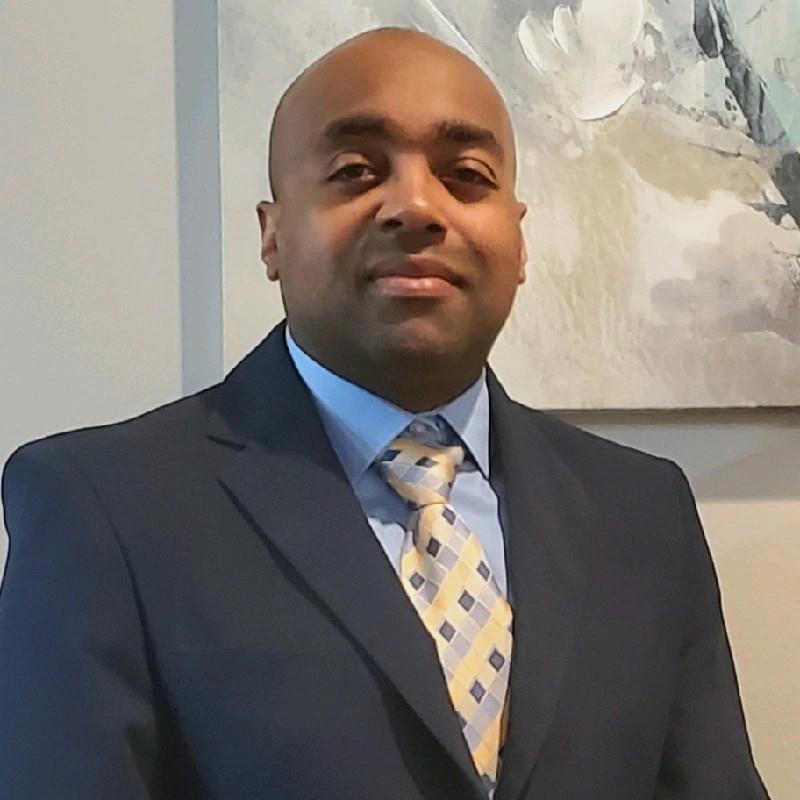
I was a Regional Sales Representative for Long-Term Care pharmacy services. I had dreamed of getting into the med sales industry when I went into my career as a nurse, but the pharmacy sales job came to me, and I had just settled. Fortunately, I had a job shakeup that allowed me to determine that now was the time to pursue my original vision.
I absolutely would not have this position without Samuel and the Evolve Your Success community. A lot of people my age would just stop trying, but EYS believed in me.
EYS allowed me to break into the industry in 90-Days after I had been trying on my own for over two years! I had lots of recruiter screenings, and a few interviews with hiring managers, but I was never offered a position.
Before EYS, I didn’t realize I was doing the bare minimum to get hired. I was applying everywhere, hoping to get noticed and waiting. It just wasn’t working! I didn’t know that that was not enough to compete in an industry this sought after, and against people who knew what I didn’t know about the process.
Of course, I had to think hard before making a financial investment that’s reasonably substantial. But when I read the testimonials of real med sales reps on the site and learned that I wasn’t the only one taking a chance on my success, that EYS was sharing that risk also, I knew I had to do it. Though you might be able to cobble together some of the steps of getting a role in med sales from online research on your own, you just can’t know what you don’t know!
The process of going through EYS presents this insider knowledge to the student, as well as giving you a progression of difficulty as you obtain the information, and you begin to master it. Not only that, but they give you access to amazing mentors and instructors, allow you to practice your interview skills, and teach you how to market yourself through social media and your own website! I cannot stress enough that EYS was the factor that made the difference in my successfully landing my dream job! The support, structure, and knowledge gained was invaluable!
I would recommend this course to ANYONE looking to break into medical sales
Thank you so much, EYS! This journey has been life changing and has resulted in the successful culmination of my 18-Year ambition!
Medical Territory Manager!
I was a Regional Sales Representative for Long-Term Care pharmacy services. I had dreamed of getting into the med sales industry when I went into my career as a nurse, but the pharmacy sales job came to me, and I had just settled. Fortunately, I had a job shakeup that allowed me to determine that now was the time to pursue my original vision.
I absolutely would not have this position without Samuel and the Evolve Your Success community. A lot of people my age would just stop trying, but EYS believed in me.
EYS allowed me to break into the industry in 90-Days after I had been trying on my own for over two years! I had lots of recruiter screenings, and a few interviews with hiring managers, but I was never offered a position.
Before EYS, I didn’t realize I was doing the bare minimum to get hired. I was applying everywhere, hoping to get noticed and waiting. It just wasn’t working! I didn’t know that that was not enough to compete in an industry this sought after, and against people who knew what I didn’t know about the process.
Of course, I had to think hard before making a financial investment that’s reasonably substantial. But when I read the testimonials of real med sales reps on the site and learned that I wasn’t the only one taking a chance on my success, that EYS was sharing that risk also, I knew I had to do it. Though you might be able to cobble together some of the steps of getting a role in med sales from online research on your own, you just can’t know what you don’t know!
The process of going through EYS presents this insider knowledge to the student, as well as giving you a progression of difficulty as you obtain the information, and you begin to master it. Not only that, but they give you access to amazing mentors and instructors, allow you to practice your interview skills, and teach you how to market yourself through social media and your own website! I cannot stress enough that EYS was the factor that made the difference in my successfully landing my dream job! The support, structure, and knowledge gained was invaluable!
I would recommend this course to ANYONE looking to break into medical sales
Thank you so much, EYS! This journey has been life changing and has resulted in the successful culmination of my 18-Year ambition! 


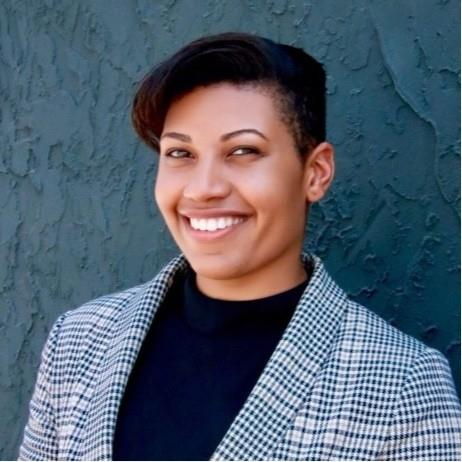
 Sports Medicine in Phoenix! I extend so much gratitude to the Evolve Your Success group as I land this role and get ready to pursue my dream job. I am a Physical Therapist who became a little stuck in the profession due to issues with reimbursement and the difficulty for continued growth upwards. I turned to EYS to assist me in learning about the medical sales industry and gain knowledgable mentors who were able to help coach me in this process. I am a strong believer in surrounding yourself with the best and good things will happen. I did work hard, but with the support of my mentors and other colleagues going through a career change, I felt a sense of community and it confirmed my drive to get into this industry. I have already learned so much through the interview process, and feel very blessed to have had the resources this group provided. I have made lifelong friends and I cannot wait to continue to follow others’ journeys to pursue this incredible field. I urge you to give Evolve Your Success a try to gain mentorship, guidance, and support through any career transition.
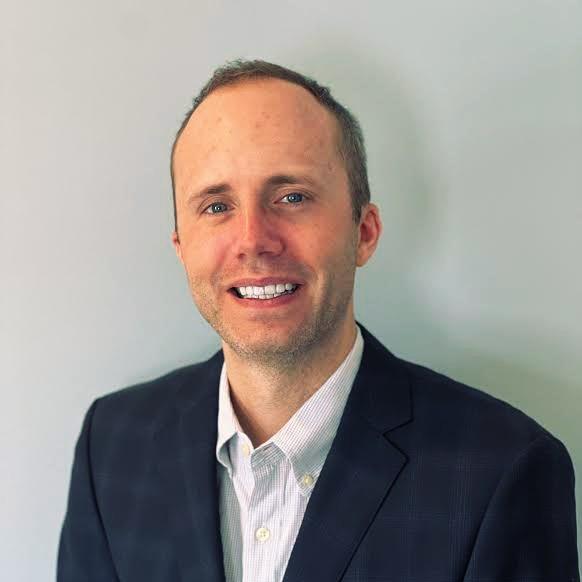
 and am excited to make a difference in patients’ lives as a Pharmaceutical Sales Specialist.
 ! Though I truly enjoyed working as a physical therapist, I can’t wait to start my career in the sales world as a Clinical Account Executive.
 . I owe this opportunity to Samuel, the program, and the incredible mentors at EYS.