The Proven Skills Every Medical Sales Rep Needs to Thrive
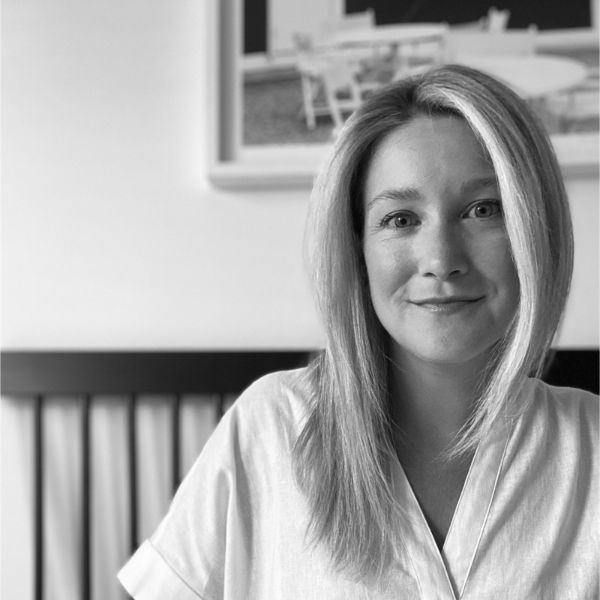
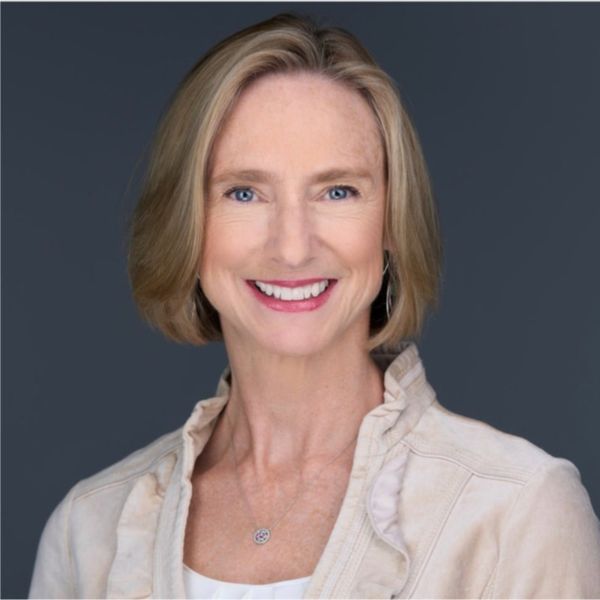
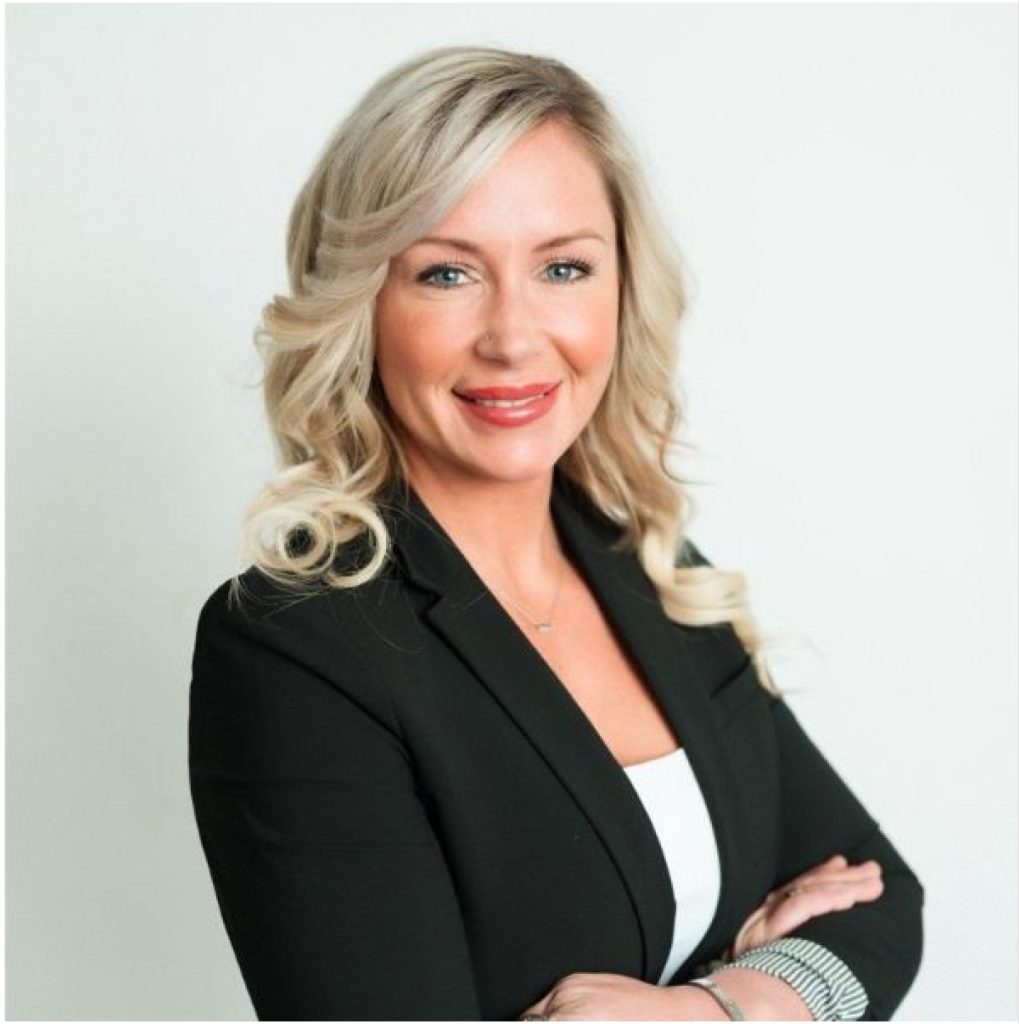
In this episode of the Medical Sales Podcast, Samuel sits down with Amy Harrington, a seasoned sales training and enablement leader who has built and scaled training programs across startups and global medtech organizations. Amy shares her unconventional path from surgical tech to nurse to orthopedic rep, and ultimately into becoming a trusted architect of sales education and practice development. She breaks down what truly makes sales training effective, why confidence comes from knowledge, and how reps can sell with science instead of scripts. This conversation pulls back the curtain on how great training bridges clinical complexity and real-world selling, why acronyms and rigid sales models often fall short, and how emotional intelligence, curiosity, and practical learning separate average reps from top performers. Whether you’re a rep looking to sharpen your edge or a leader building sales teams that actually perform, this episode delivers real insight into how sales training should work in today’s medical sales landscape.
Connect with Amy Harrington: LinkedIn
Connect with Me: LinkedIn
Love the show? Subscribe, rate, review, and share! Here’s How »
Listen on Spotify or Apple Podcast
Transcription:
Samuel Adeyinka (Host):
Hello, and welcome to the Medical Sales Podcast. I’m your host, Samuel, founder of a revolutionary medical sales training and mentorship program called the Medical Sales Career Builder, and host of the Medical Sales Podcast.
On this podcast, I interview top medical sales reps and leading medical sales executives across the entire world. It doesn’t matter what medical sales industry you’re in, from medical device to pharmaceutical to genetic testing and diagnostic lab. You’ll learn how to break into the industry, become a top 10 percent performer in your role, or climb the corporate ladder.
Welcome to the Medical Sales Podcast. And remember, I am a medical sales expert sharing my own opinion about this amazing industry and how it can change your life.
I was reading your profile, and it looks like you are… are you the head honcho who builds all the training programs for these med tech companies? Is that accurate, or am I going in the wrong direction?
Amy Harrington (Guest):
I don’t know if I would describe myself as the head honcho. I definitely don’t feel like that. What I do feel like is someone who figures out what needs to get done, rolls up my sleeves, and gets it done.
I’ve worked a lot with startups, so I get pretty scrappy. In that environment, you wear many hats. If something needs to be built, I’ll build it.
From a 10,000-foot view, as a VP of training or practice development, I’ve worn two hats over the last couple of years. Most of my career has been in training, but I’ve also evolved into running practice development teams.
Simply put, my job is to make sure the sales team knows their product inside and out. Whether it’s the science of skin, the mechanism of action of a technology, or clinical data, they need to be confident talking to customers. That confidence translates to customers feeling confident buying and using the product.
I translate complex science and clinical information into practical language so salespeople can sell with science, credibility, and confidence.
Samuel Adeyinka (Host):
So are you the kind of person who can walk into a startup, see a valuable product, a small sales team, and say, “Here’s the framework, here’s the execution, and I’ll help you roll it out”?
Amy Harrington (Guest):
It’s hard to pinpoint because it’s a lot of different things. I usually start by asking, “What is our ultimate goal?”
For example, right now, the goal might be onboarding ten new capital sales reps and training them on everything from company culture to technology and science. I take all those learning needs and translate them into something digestible for the audience.
One group might be sales reps, another clinicians, another marketers. Everything is customized. If I don’t have what I need, I build it.
That might mean creating new curriculum or translating complex clinical studies into practical sales knowledge. I break information down into bite-sized pieces so people can truly understand it and apply it.
At the core, my job is about connection. I identify gaps and build the architecture to bridge them, using whatever tools and strategies are needed.
Samuel Adeyinka (Host):
As a VP, are you the final decision-maker, or do you have to get approval? What’s the reality?
Amy Harrington (Guest):
Every organization is different. I’ve been in environments with heavy micromanagement and a lot of red tape, especially in pharma, where regulations are strict.
I’ve also worked in cultures where leadership says, “We hired you. We trust you. Here’s the goal. Go do it.” That’s where I thrive, because I enjoy the creative side of building tools.
I’ve been fortunate to have mentors in sales leadership who repeatedly brought me along to build programs at different companies. That autonomy has been a great environment for me.
Samuel Adeyinka (Host):
What type of company are you with now?
Amy Harrington (Guest):
I’m currently with a startup medical device company in the aesthetics industry. Our call points include dermatologists, plastic surgeons, solo estheticians, medical spas, and franchise medical spas.
Samuel Adeyinka (Host):
How many industries have you worked in within medical sales?
Amy Harrington (Guest):
My career has been very opportunity-driven. One of my core beliefs is to say yes to opportunities, even if they’re not exactly what you planned.
I started as a surgical tech. I didn’t even know what a surgical tech was when I was asked. I went to observe a surgery, looked through the window, and said yes.
Later, I realized nurses with similar education were making more money, so I went back to school for nursing. After graduating, I worked heavily in orthopedics and trauma, covering cases and learning from great surgeon mentors.
Eventually, orthopedic reps noticed me and asked if I’d work 1099 as a rep. I worked full-time as a nurse and part-time as a rep for about a year before transitioning fully into sales.
Samuel Adeyinka (Host):
What was going through your mind when you were balancing both roles?
Amy Harrington (Guest):
I loved the autonomy and freedom of being a rep, but it was challenging because I was sometimes a nurse one day and a rep the next at the same facility.
I ultimately chose sales full-time because the opportunity presented itself, and I didn’t know if it would come again. I figured I could always go back to nursing.
Samuel Adeyinka (Host):
You mentioned you weren’t a good sales rep. Why?
Amy Harrington (Guest):
I was a clinician first. Patient safety always came first. Selling to a surgeon during a complex case felt wrong to me.
Where I thrived was in servicing and supporting the surgical team. I knew every instrument and every step of the procedure. When things went wrong, they turned to me.
My knowledge became my power, but asking for the sale didn’t come naturally. That’s when I realized training was where I could add the most value.
Samuel Adeyinka (Host):
How did you transition into training?
Amy Harrington (Guest):
I actually left sales and went back into the operating room for about five years. I needed a break from being on call constantly.
Later, I got a call from a medical device company in aesthetics asking me to interview for a training role. I wasn’t looking, but I said yes.
That role involved training medical staff on clinical and technical aspects of devices. That’s where I truly fell in love with training.
I trained clinicians, distributors globally, and eventually new sales reps. That’s when I realized this was my passion.
Samuel Adeyinka (Host):
Let’s talk about sales training. People say it’s the first thing to go when cuts happen. Is that true?
Amy Harrington (Guest):
I’ve heard that, but it hasn’t been my experience. In fact, training has often been the most valuable function during tough times.
If your reps can’t sell and your customers can’t use your device, everything falls apart. Training is foundational.
Samuel Adeyinka (Host):
How should reps really look at sales training?
Amy Harrington (Guest):
Confidence comes from knowledge, and confidence sells. But I also think many organizations don’t do training well.
I don’t believe heavily in rigid selling acronyms. I’ve been through many programs and don’t remember the acronyms because they weren’t meaningful.
I focus on practical skills: emotional intelligence, asking good questions, listening, and understanding why the product works. Teach reps how to think, not what script to memorize.
Samuel Adeyinka (Host):
How do you balance adult learning principles without relying on acronyms?
Amy Harrington (Guest):
There is value in selling models, but different people learn differently. One model might work for 25 percent of reps and not resonate with the rest.
I believe in customization, role play, listening, and foundational skills that apply everywhere. Those skills matter more than memorizing a framework.
Samuel Adeyinka (Host):
What advice would you give reps who want more development than their company provides?
Amy Harrington (Guest):
Master the model your company uses, but go beyond it. Be curious. Be a lifelong learner.
If something isn’t working, seek out resources, mentors, classes, and content to improve. Growth comes from wanting to be better.
Samuel Adeyinka (Host):
If you enjoyed today’s episode, remember that our programs cover the entire medical sales career, from breaking in to executive leadership. Visit evolveyoursales.com, apply, and let’s get you where you want to be.
Stay tuned for more powerful interviews on the Medical Sales Podcast.
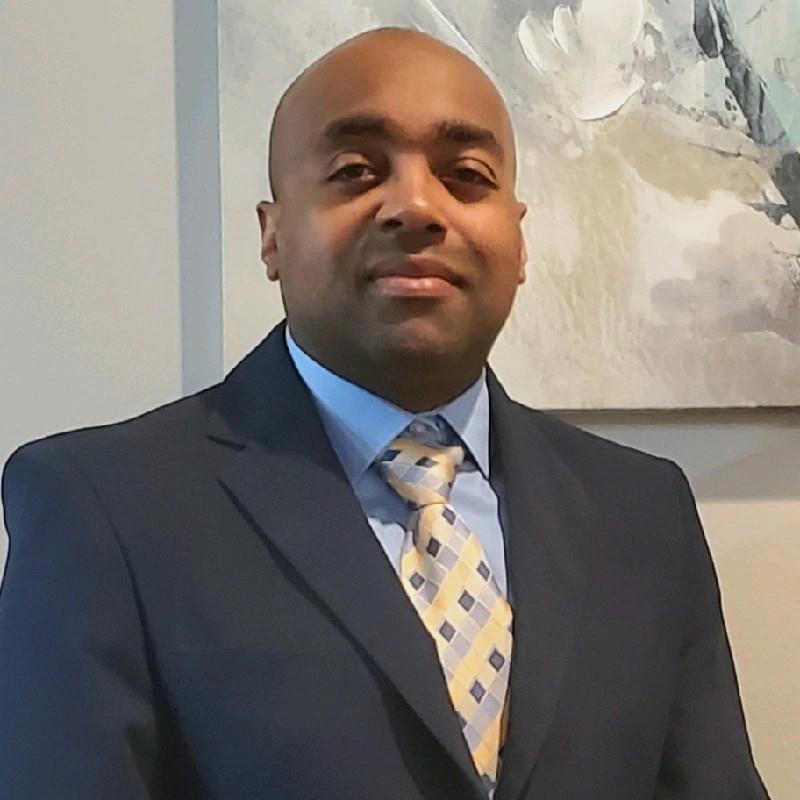


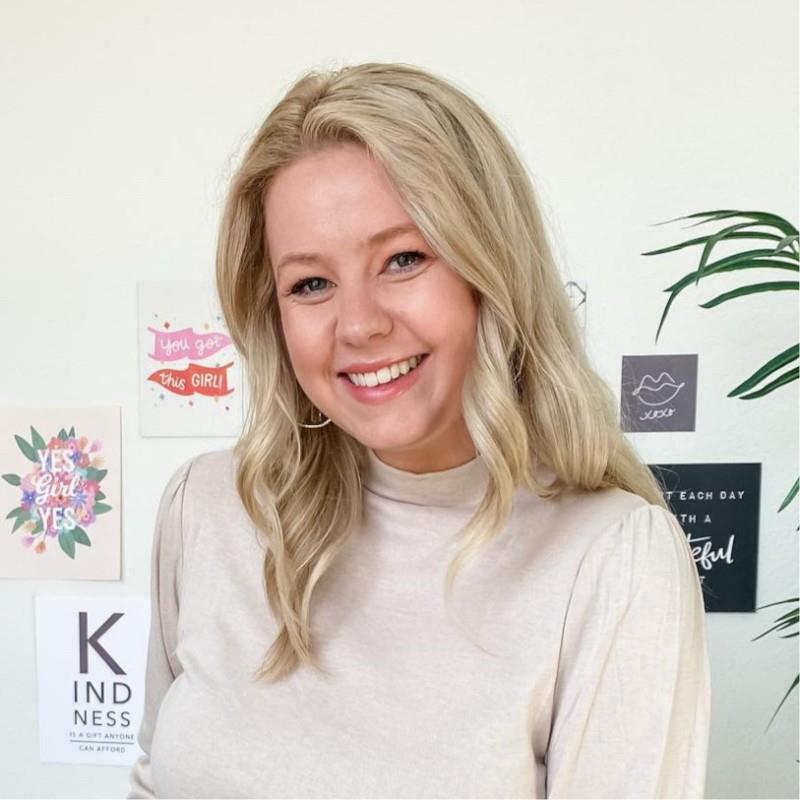

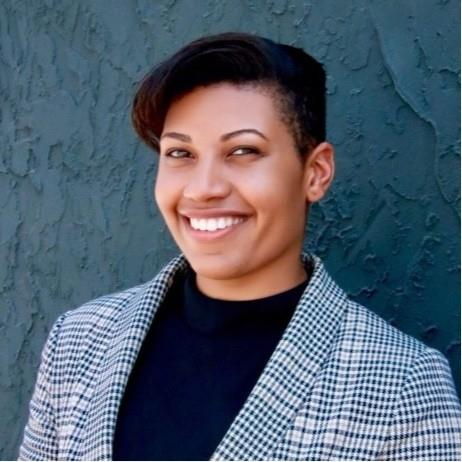









 Medical Territory Manager!
I was a Regional Sales Representative for Long-Term Care pharmacy services. I had dreamed of getting into the med sales industry when I went into my career as a nurse, but the pharmacy sales job came to me, and I had just settled. Fortunately, I had a job shakeup that allowed me to determine that now was the time to pursue my original vision.
I absolutely would not have this position without Samuel and the Evolve Your Success community. A lot of people my age would just stop trying, but EYS believed in me.
EYS allowed me to break into the industry in 90-Days after I had been trying on my own for over two years! I had lots of recruiter screenings, and a few interviews with hiring managers, but I was never offered a position.
Before EYS, I didn’t realize I was doing the bare minimum to get hired. I was applying everywhere, hoping to get noticed and waiting. It just wasn’t working! I didn’t know that that was not enough to compete in an industry this sought after, and against people who knew what I didn’t know about the process.
Of course, I had to think hard before making a financial investment that’s reasonably substantial. But when I read the testimonials of real med sales reps on the site and learned that I wasn’t the only one taking a chance on my success, that EYS was sharing that risk also, I knew I had to do it. Though you might be able to cobble together some of the steps of getting a role in med sales from online research on your own, you just can’t know what you don’t know!
The process of going through EYS presents this insider knowledge to the student, as well as giving you a progression of difficulty as you obtain the information, and you begin to master it. Not only that, but they give you access to amazing mentors and instructors, allow you to practice your interview skills, and teach you how to market yourself through social media and your own website! I cannot stress enough that EYS was the factor that made the difference in my successfully landing my dream job! The support, structure, and knowledge gained was invaluable!
I would recommend this course to ANYONE looking to break into medical sales
Thank you so much, EYS! This journey has been life changing and has resulted in the successful culmination of my 18-Year ambition!
Medical Territory Manager!
I was a Regional Sales Representative for Long-Term Care pharmacy services. I had dreamed of getting into the med sales industry when I went into my career as a nurse, but the pharmacy sales job came to me, and I had just settled. Fortunately, I had a job shakeup that allowed me to determine that now was the time to pursue my original vision.
I absolutely would not have this position without Samuel and the Evolve Your Success community. A lot of people my age would just stop trying, but EYS believed in me.
EYS allowed me to break into the industry in 90-Days after I had been trying on my own for over two years! I had lots of recruiter screenings, and a few interviews with hiring managers, but I was never offered a position.
Before EYS, I didn’t realize I was doing the bare minimum to get hired. I was applying everywhere, hoping to get noticed and waiting. It just wasn’t working! I didn’t know that that was not enough to compete in an industry this sought after, and against people who knew what I didn’t know about the process.
Of course, I had to think hard before making a financial investment that’s reasonably substantial. But when I read the testimonials of real med sales reps on the site and learned that I wasn’t the only one taking a chance on my success, that EYS was sharing that risk also, I knew I had to do it. Though you might be able to cobble together some of the steps of getting a role in med sales from online research on your own, you just can’t know what you don’t know!
The process of going through EYS presents this insider knowledge to the student, as well as giving you a progression of difficulty as you obtain the information, and you begin to master it. Not only that, but they give you access to amazing mentors and instructors, allow you to practice your interview skills, and teach you how to market yourself through social media and your own website! I cannot stress enough that EYS was the factor that made the difference in my successfully landing my dream job! The support, structure, and knowledge gained was invaluable!
I would recommend this course to ANYONE looking to break into medical sales
Thank you so much, EYS! This journey has been life changing and has resulted in the successful culmination of my 18-Year ambition! 
 Sports Medicine in Phoenix! I extend so much gratitude to the Evolve Your Success group as I land this role and get ready to pursue my dream job. I am a Physical Therapist who became a little stuck in the profession due to issues with reimbursement and the difficulty for continued growth upwards. I turned to EYS to assist me in learning about the medical sales industry and gain knowledgable mentors who were able to help coach me in this process. I am a strong believer in surrounding yourself with the best and good things will happen. I did work hard, but with the support of my mentors and other colleagues going through a career change, I felt a sense of community and it confirmed my drive to get into this industry. I have already learned so much through the interview process, and feel very blessed to have had the resources this group provided. I have made lifelong friends and I cannot wait to continue to follow others’ journeys to pursue this incredible field. I urge you to give Evolve Your Success a try to gain mentorship, guidance, and support through any career transition.
 and am excited to make a difference in patients’ lives as a Pharmaceutical Sales Specialist.
 ! Though I truly enjoyed working as a physical therapist, I can’t wait to start my career in the sales world as a Clinical Account Executive.
 . I owe this opportunity to Samuel, the program, and the incredible mentors at EYS.