The Powerful Journey From Stuck Rep to Endoscopy Sales Success
In this episode of the Medical Sales Podcast, Samuel Adeyinka sits down with Jerry Johnson Jr., a former UCLA and NFL athlete who successfully transitioned into medical device sales and now represents Ambu, the global leader in single use endoscopy. Jerry breaks down what single use endoscopy actually is, how it compares to traditional reusable scopes, and why more clinics are embracing the convenience, efficiency, and patient safety benefits of disposable technology. He also shares what it takes to win in a highly competitive space, from territory management and relationship building to overcoming objections around image quality and cost. This conversation is packed with insight for anyone curious about breaking into medical sales, navigating a career transition, or understanding how to succeed in an industry where consistency, service, and strategy matter every day.
Connect with Jerry Johnson Jr: LinkedIn
Connect with Me: LinkedIn
Love the show? Subscribe, rate, review, and share! Here’s How »
Listen on Spotify or Apple Podcast
Transcription:
Samuel Adeyinka (Host):
Hello, and welcome to the Medical Sales Podcast. I’m your host, Samuel, the founder of a revolutionary medical sales training and mentorship program called the Medical Sales Career Builder. And I’m also host of the Medical Sales Podcast.
On this podcast, I interview top medical sales reps and leading medical sales executives across the entire world. It doesn’t matter what medical sales industry, from medical device to pharmaceutical to genetic testing and diagnostic lab. You name it. You will learn how to either break into the industry, be a top 10 percent performer within your role, or climb the corporate ladder.
Welcome to the Medical Sales Podcast. And remember, I am a medical sales expert sharing my own opinion about this amazing industry and how it can change your life.
Jerry, tell everybody who you are and what you do.
Jerry Johnson Jr. (Guest):
Sure. I’m Jerry Johnson. I’m in medical device sales. I work for a company called Ambu. They’re the world leader in single use endoscopy.
I’ve been with Ambu for almost two years. I’ve been in medical sales for five years total. Before Ambu, I was with Medtronic for three years.
Before medical sales, I played football at UCLA, and I also played professionally for the Buccaneers in Tampa, Florida. I have an athletic background, and that prepared me for sales. It was a smooth transition from sports into sales.
I’m happy to be with Ambu. Great company, great people, great culture. I’m blessed to be here.
Samuel Adeyinka (Host):
Love it. This is a treat, Jerry.
When you left Medtronic, you were looking to get back into the industry and you found Evolve Your Success. You enrolled in our program and you got your position with Ambu.
I’ll share this with the audience. The cool thing about Jerry is we met at a function and Jerry stopped me and said, “Hey, you look really familiar.” I asked what he meant, and he said, “Do you have a podcast or something.” And I said, “The Medical Sales Podcast.” He said, “Yeah, I listen all the time.”
Then Jerry found out about Evolve Your Success, joined the program, got his position, and two years later he’s a guest on the Medical Sales Podcast.
Jerry Johnson Jr. (Guest):
Full circle, man. Full circle.
Samuel Adeyinka (Host):
Full circle moment.
Let’s get into endoscopy.
What is single use endoscopy. What do you sell. Who do you call on. And give us a day in the life.
Jerry Johnson Jr. (Guest):
Single use endoscopy is exactly what it sounds like. It’s a single use endoscope.
We sell cystoscopes, rhino laryngoscopes, and ureteroscopes. All disposable scopes.
The norm in endoscopy is a reusable system. They sterilize the scope, put it through a sterile machine, and reuse it over and over for a long time.
We come in with a disposable option that gives customers convenience.
With single use, you use it one time, throw it away, and you don’t have to reprocess, which can take hours.
When reusable scopes break down, you send them out for repair. That costs a lot of money. You’re paying repair contracts, service contracts, chemicals for sterilization, and all these extra costs.
With single use, you don’t pay for anything outside of the scope.
And the biggest advantage is availability.
If a scope is being processed, you’re not seeing patients. You could scope ten patients in an hour, but if the scope isn’t available, you can’t.
With single use, you see more patients. Your staff is less stressed. You reduce risk from cleaning errors. You avoid costly repairs.
It’s a real option for efficiency and convenience.
Samuel Adeyinka (Host):
When you’re out doing business, who are you spending most of your time talking to. Clinicians, staff, both, or somebody else.
Jerry Johnson Jr. (Guest):
I believe in total office calls.
From the receptionist all the way to the procurement manager, and everyone in between.
Receptionist, medical assistants, clinic manager, physician, PA, nurse practitioner.
I speak with everyone, and I tailor the message.
If I’m talking to materials, I’m talking price.
If I’m talking to the clinician, I’m talking about the clinical side of the scope.
If I’m talking to a nurse practitioner, I’m talking convenience and workflow.
It’s different messaging for each group, and that’s helped me be successful.
Samuel Adeyinka (Host):
Give us a day in the life. Are you in procedures. Are you mostly moving account to account. What does it actually look like.
Jerry Johnson Jr. (Guest):
Mostly clinics.
I’m not in the hospital too much.
We do have a new product called the ureteroscope that’s used in the OR. That product rolled out about six months ago.
But normally I’m in clinics selling cystoscopes and rhino laryngoscopes.
Clinic is a different setting than hospital. I’d say 80 percent of my time is in clinics.
Samuel Adeyinka (Host):
So would you say this is an 8 to 5 type job.
Jerry Johnson Jr. (Guest):
I hate to classify it as a job.
It’s your own business, and your hours depend on how you prioritize customers.
If a customer needs something at 5 a.m., it’s no longer 8 to 5.
It could be five to whenever you’re done.
It depends on how you manage your territory, how you map it out, and how you prioritize.
Samuel Adeyinka (Host):
If 80 percent is clinics, does that mean weekends are yours. Or do you work weekends sometimes.
Jerry Johnson Jr. (Guest):
Weekends are typically mine.
But if I want to take a doctor out on a Saturday, or go to an event or conference, that’s work.
Last week I was in San Francisco Friday to Sunday for a conference for the laryngoscope and got good leads.
So I’d encourage reps not to see weekends as automatic time off.
That’s opportunity to build your business.
The grind never stops, but if you love it, it doesn’t feel like the grind.
Samuel Adeyinka (Host):
Think of the mom with three kids, the dad with two babies, or someone taking care of family.
Is this a career they can consider, or is it too demanding.
Jerry Johnson Jr. (Guest):
It depends on how successful you want to be.
In device, you have no choice but to be successful or they will let you go. It’s cutthroat.
For someone with a heavy home load, I’d say single use endoscopy is tough because you have to be in front of customers a lot to stay top of mind.
There are a lot of competitors now.
There’s not much loyalty. People go wherever it’s cheaper.
If someone wants this job bad enough, grind hard for six months to a year, then maybe you can let up a bit.
But even then, it’s not always safe.
In that first year, you want to build walls around your business.
If you sell a scope, sell accessories. Offer additional services. Provide integrations that make switching harder for competitors.
That takes time. Customers have to trust you.
But that’s how you protect the account in a competitive space.
Samuel Adeyinka (Host):
Do you spend most of your time positioning single use versus reusable, or single use versus other single use competitors.
Jerry Johnson Jr. (Guest):
Mostly single use versus reusable.
That’s the bulk of the conversation.
But recently, there’s been a shift. More competitors means more conversations that are single use versus single use.
That’s harder because they offer similar solutions.
What makes us stand out is service.
We’re not offering a cheap scope. We’re offering an affordable scope with strong support.
Our customer service is top tier. We’re in accounts consistently. Other companies might just have a call center. With us, you have a rep who shows up, troubleshoots, and supports.
That’s how we win against other disposable companies.
Price is still tough because sometimes clinicians only see cost, but we create value beyond price.
Samuel Adeyinka (Host):
When you think about the business, organizing your territory, getting access, staying top of mind, what are the top challenges in single use endoscopy.
Jerry Johnson Jr. (Guest):
Image quality and familiarity.
Physicians are used to reusable scopes like Olympus or Boston Scientific. They used them in residency. They’re creatures of habit.
So you have to show them the maneuverability and functionality is the same. The only difference is one gets thrown away and one gets reprocessed.
Reusable scopes do have better image quality in general. But disposable can be clinically acceptable.
You don’t need HD to visualize hematuria or to do basic cystoscopy.
If I can get them to agree they don’t need HD for basic procedures, then we’re in business.
Then I can sell the availability, no reprocessing, and lower contamination risk.
With reusable, there’s always risk in reprocessing because humans make mistakes. With single use, every scope is brand new, and that reduces risk.
So the value is huge, as long as you can get them past the image quality objection.
Samuel Adeyinka (Host):
What’s the most common thing they say once they finally try it.
Jerry Johnson Jr. (Guest):
They usually say, “Wow, the image quality is actually really good.”
The image quality objection is real until they try it.
A lot of people assume disposable scopes have bad image quality because other companies can be subpar.
Ambu has strong image quality even on the standard scope, and we also have higher definition options if they want that.
So once they plug it in, that myth gets debunked fast.
Samuel Adeyinka (Host):
Take us to a moment where you thought, man, I love what I do.
Jerry Johnson Jr. (Guest):
In training, they told us customers would come to us and say their scopes are breaking, reprocessing is a pain, repairs cost thousands, and they can’t see patients.
For my first six months, I wasn’t hearing that. Everyone told me everything was fine.
Then around month seven, I had a customer reach out and say exactly what we trained on. Everything was going wrong.
That was the moment.
I went in, had the conversation, and it felt like a hot knife through butter.
It gave me confidence in the product, the company, and the training.
I realized this stuff works. There are real pain points, and we are the solution.
That’s when I thought, I love this job.
Samuel Adeyinka (Host):
What are two or three things that dramatically increase your chances of being successful in this space.
Jerry Johnson Jr. (Guest):
Territory segmentation and zoning.
Map your territory into zones, then visit them based on importance. Weekly, biweekly, monthly, depending on the account.
Being in front of customers is pivotal.
Once you sell the scope, the job isn’t done. Competitors can walk in and try to undercut you.
If they leave that impression and you don’t show up for two months, that customer has time to switch.
So staying present matters. Visits, texts, emails, check ins.
And keep adding services and value, not just product.
That’s what I’ve learned from reps who’ve been successful for years.
Samuel Adeyinka (Host):
Talk to us about territory and travel. How big is your territory, and how far are you going.
Jerry Johnson Jr. (Guest):
My territory is fairly condensed. I cover Southern California.
Culver City, Marina del Rey, Torrance, South Bay.
The furthest west is Santa Monica. The furthest east is San Bernardino, so I do cover the Inland Empire.
I don’t do overnights unless I’m traveling for a conference in another city or state.


















 Medical Territory Manager!
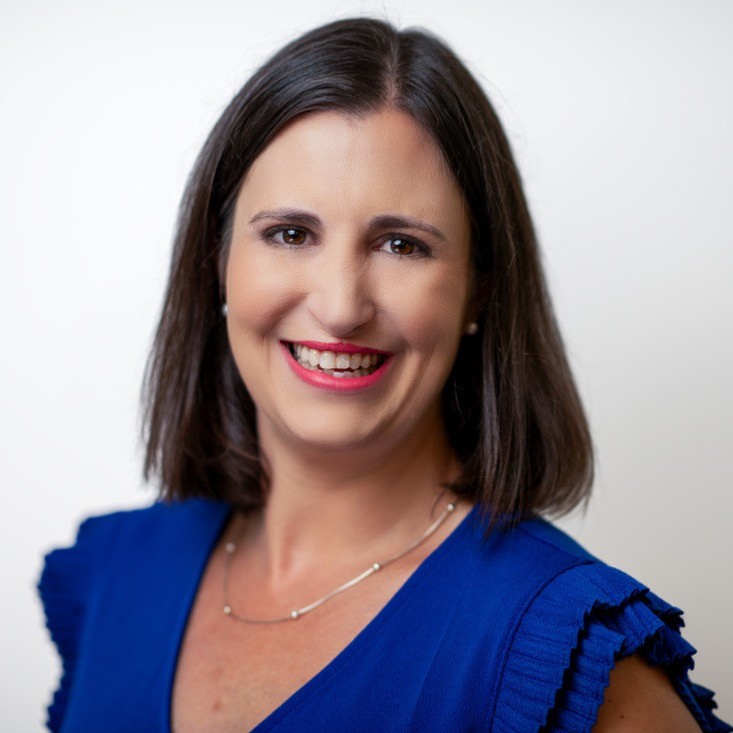
I was a Regional Sales Representative for Long-Term Care pharmacy services. I had dreamed of getting into the med sales industry when I went into my career as a nurse, but the pharmacy sales job came to me, and I had just settled. Fortunately, I had a job shakeup that allowed me to determine that now was the time to pursue my original vision.
I absolutely would not have this position without Samuel and the Evolve Your Success community. A lot of people my age would just stop trying, but EYS believed in me.
EYS allowed me to break into the industry in 90-Days after I had been trying on my own for over two years! I had lots of recruiter screenings, and a few interviews with hiring managers, but I was never offered a position.
Before EYS, I didn’t realize I was doing the bare minimum to get hired. I was applying everywhere, hoping to get noticed and waiting. It just wasn’t working! I didn’t know that that was not enough to compete in an industry this sought after, and against people who knew what I didn’t know about the process.
Of course, I had to think hard before making a financial investment that’s reasonably substantial. But when I read the testimonials of real med sales reps on the site and learned that I wasn’t the only one taking a chance on my success, that EYS was sharing that risk also, I knew I had to do it. Though you might be able to cobble together some of the steps of getting a role in med sales from online research on your own, you just can’t know what you don’t know!
The process of going through EYS presents this insider knowledge to the student, as well as giving you a progression of difficulty as you obtain the information, and you begin to master it. Not only that, but they give you access to amazing mentors and instructors, allow you to practice your interview skills, and teach you how to market yourself through social media and your own website! I cannot stress enough that EYS was the factor that made the difference in my successfully landing my dream job! The support, structure, and knowledge gained was invaluable!
I would recommend this course to ANYONE looking to break into medical sales
Thank you so much, EYS! This journey has been life changing and has resulted in the successful culmination of my 18-Year ambition!
Medical Territory Manager!
I was a Regional Sales Representative for Long-Term Care pharmacy services. I had dreamed of getting into the med sales industry when I went into my career as a nurse, but the pharmacy sales job came to me, and I had just settled. Fortunately, I had a job shakeup that allowed me to determine that now was the time to pursue my original vision.
I absolutely would not have this position without Samuel and the Evolve Your Success community. A lot of people my age would just stop trying, but EYS believed in me.
EYS allowed me to break into the industry in 90-Days after I had been trying on my own for over two years! I had lots of recruiter screenings, and a few interviews with hiring managers, but I was never offered a position.
Before EYS, I didn’t realize I was doing the bare minimum to get hired. I was applying everywhere, hoping to get noticed and waiting. It just wasn’t working! I didn’t know that that was not enough to compete in an industry this sought after, and against people who knew what I didn’t know about the process.
Of course, I had to think hard before making a financial investment that’s reasonably substantial. But when I read the testimonials of real med sales reps on the site and learned that I wasn’t the only one taking a chance on my success, that EYS was sharing that risk also, I knew I had to do it. Though you might be able to cobble together some of the steps of getting a role in med sales from online research on your own, you just can’t know what you don’t know!
The process of going through EYS presents this insider knowledge to the student, as well as giving you a progression of difficulty as you obtain the information, and you begin to master it. Not only that, but they give you access to amazing mentors and instructors, allow you to practice your interview skills, and teach you how to market yourself through social media and your own website! I cannot stress enough that EYS was the factor that made the difference in my successfully landing my dream job! The support, structure, and knowledge gained was invaluable!
I would recommend this course to ANYONE looking to break into medical sales
Thank you so much, EYS! This journey has been life changing and has resulted in the successful culmination of my 18-Year ambition! 

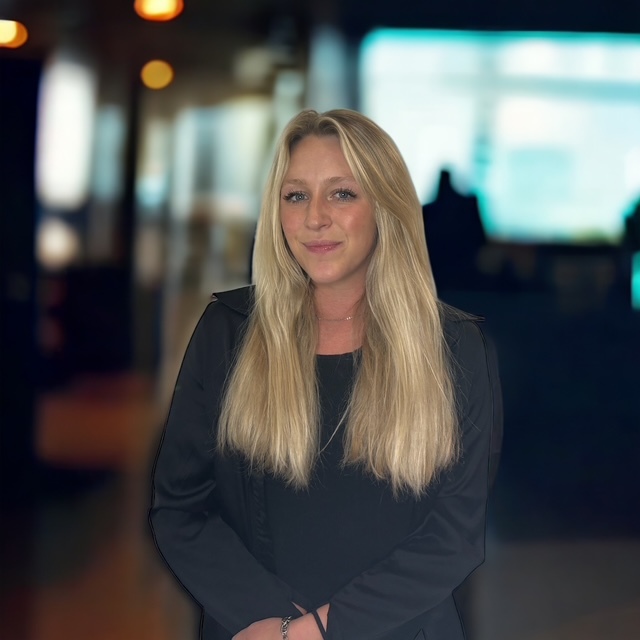
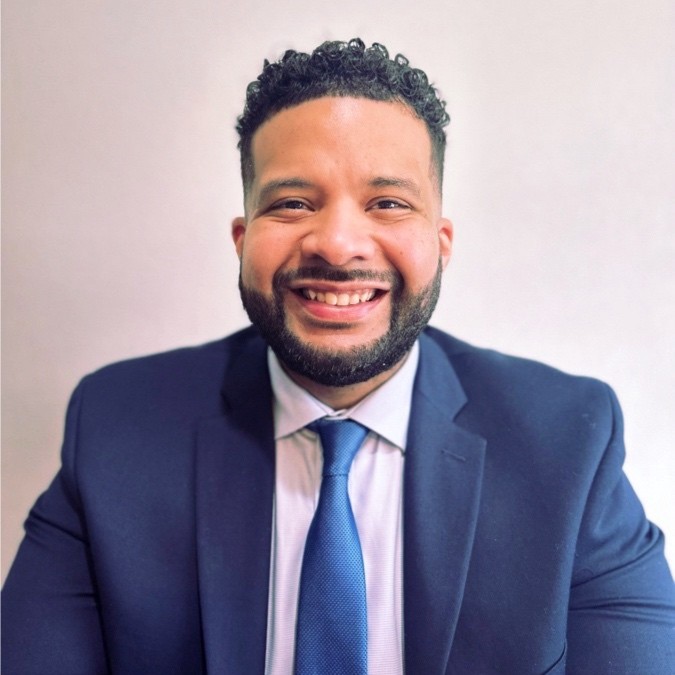
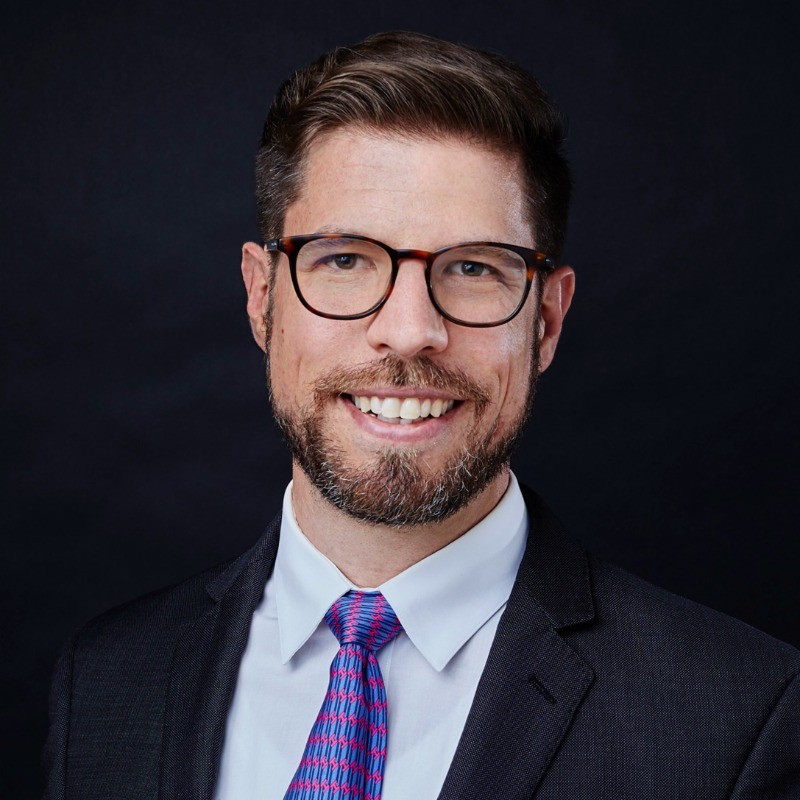
 Sports Medicine in Phoenix! I extend so much gratitude to the Evolve Your Success group as I land this role and get ready to pursue my dream job. I am a Physical Therapist who became a little stuck in the profession due to issues with reimbursement and the difficulty for continued growth upwards. I turned to EYS to assist me in learning about the medical sales industry and gain knowledgable mentors who were able to help coach me in this process. I am a strong believer in surrounding yourself with the best and good things will happen. I did work hard, but with the support of my mentors and other colleagues going through a career change, I felt a sense of community and it confirmed my drive to get into this industry. I have already learned so much through the interview process, and feel very blessed to have had the resources this group provided. I have made lifelong friends and I cannot wait to continue to follow others’ journeys to pursue this incredible field. I urge you to give Evolve Your Success a try to gain mentorship, guidance, and support through any career transition.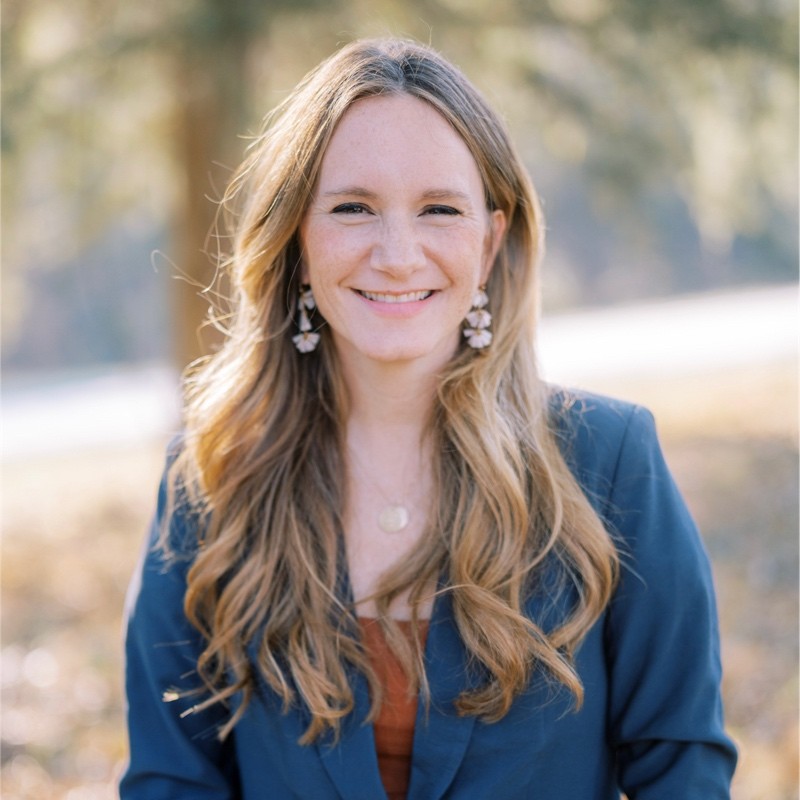
 and am excited to make a difference in patients’ lives as a Pharmaceutical Sales Specialist.
 ! Though I truly enjoyed working as a physical therapist, I can’t wait to start my career in the sales world as a Clinical Account Executive.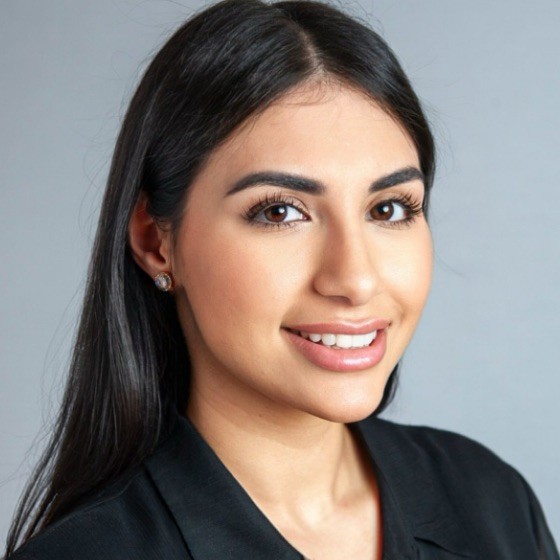
 . I owe this opportunity to Samuel, the program, and the incredible mentors at EYS.